Best Electric Guitars for Every Budget
The $4.46 billion electric guitar market has never offered more value. We researched 12 models from $149 to $2,799, here are our 2026 picks for every budget.
Music Gear Specialist Review Desk
Gear Research & Analysis
ℹ️ Affiliate Disclosure: Music Gear Specialist earns from qualifying purchases through Amazon and other partner links. This doesn't affect our recommendations—we only suggest gear we'd use ourselves.
ℹ️ Affiliate Disclosure: Music Gear Specialist earns from qualifying purchases through Amazon and other partner links. This doesn't affect our recommendations—we only suggest gear we'd use ourselves.
Finding the right electric guitar in 2026 shouldn’t feel like a gamble. Whether you’re picking up your first instrument or upgrading to something stage-ready, there’s never been more quality available at every price point.
The electric guitar market reached $4.46 billion in 2025 and is growing at 10.8% CAGR through 2030 (The Business Research Company, 2025). That growth means more competition between manufacturers, and better guitars for you at every tier.
We researched and compared 12 models across four budget categories using data from Guitar World, MusicRadar, University of Rock, and MusicStreet’s 2,250+ model quality analysis. Here are our picks.
TL;DR: The PRS SE CE 24 Standard Satin ($449) is our best overall pick, coil-splitting humbuckers, a fast bolt-on neck, and striking versatility at an unbeatable price. Beginners should grab the Squier Sonic Mustang ($149). For professionals, the ESP E-II series scored highest in a 2,250-model quality analysis at 78.5/100, beating both Gibson and Fender (MusicStreet, 2026).
Quick Comparison: Our Top 12 Picks
| Rank | Model | Price | Pickups | Best For | Our Rating |
|---|---|---|---|---|---|
| 🥇 | PRS SE CE 24 Standard Satin | $449 | HH (coil-split) | Best overall | 9.5/10 |
| 🥈 | Fender Player II Stratocaster | $700 | SSS | Best gigging guitar | 9.4/10 |
| 🥉 | ESP E-II Eclipse | ~$1,800 | HH | Best build quality | 9.6/10 |
| 4 | Epiphone Les Paul Classic Worn | $449 | HH (coil-split) | Best versatile humbucker | 9.2/10 |
| 5 | Gibson Les Paul Standard 60s | $2,799 | HH | Best premium classic | 9.5/10 |
| 6 | PRS SE Silver Sky | ~$900 | SSS | Best boutique feel under $1K | 9.3/10 |
| 7 | Squier Classic Vibe ’50s Telecaster | $369 | SS | Best vintage tone on a budget | 9.0/10 |
| 8 | Fender American Ultra II Telecaster | $2,099 | SS (Noiseless) | Best premium Tele | 9.4/10 |
| 9 | Squier Sonic Mustang | $149 | HH | Best for beginners | 9.0/10 |
| 10 | Sterling by Music Man Cutlass | $249 | HSS | Best value under $300 | 8.8/10 |
| 11 | ESP LTD EC-Black Metal | ~$1,000 | HH (active) | Best for metal | 9.1/10 |
| 12 | Ibanez GRGM21M miKro | $189 | HH | Best for kids/travel | 8.5/10 |
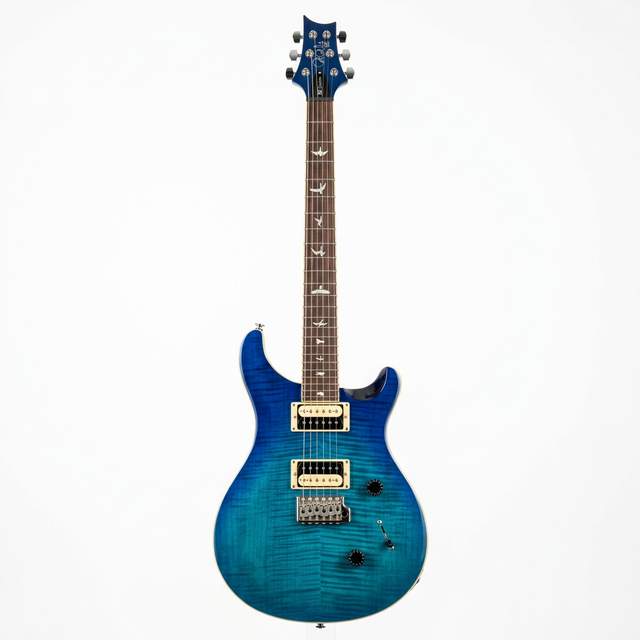
Best Overall: PRS SE CE 24 Standard Satin ($449)
The PRS SE CE 24 Standard Satin sits at the intersection of price and performance that no other guitar in 2026 can match. MusicRadar, University of Rock, and Guitar World all independently ranked it among their top mid-range recommendations, that’s a rare consensus across competing publications.
Why it wins: The 85/15 “S” humbuckers with push/pull coil-splitting give you genuine versatility. Pull up a tone knob and the humbuckers split into convincing single-coil tones. That means one guitar handles blues cleans, country twang, jazz warmth, and high-gain rock without compromise. The bolt-on maple neck with PRS’s “Wide Thin” profile is fast and comfortable for hours of playing.
Highlights:
- 85/15 “S” humbuckers with coil-splitting via push/pull pots
- 24 frets, full two-octave access per string
- Bolt-on maple neck with “Wide Thin” profile
- Mahogany body with a satin finish
- PRS-designed tremolo bridge with excellent tuning stability
Who it’s for: Players at any level who want one guitar that legitimately covers every genre. It’s the kind of instrument you buy at $449 and don’t feel the need to upgrade for years.
Potential downside: The satin finish won’t appeal to players who prefer a glossy, traditional look. No locking tuners at this price (though the stock tuners hold tune well).
Best Gigging Guitar: Fender Player II Stratocaster ($700-$926)
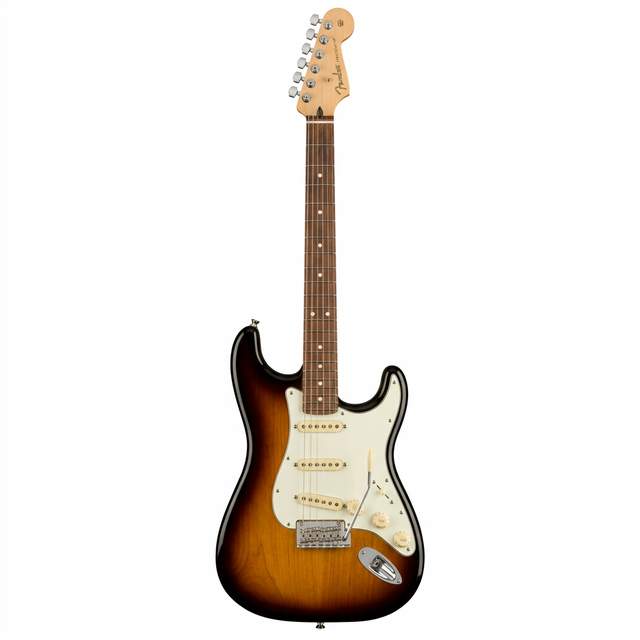
The Fender Player II series represents what Fender considers the sweet spot between affordability and professional quality. Rolled fingerboard edges give this guitar an instantly “broken-in” feel that usually takes years of playing to develop on standard frets.
Why it excels on stage: Player Series Alnico V pickups deliver authentic Fender sparkle with enough output to cut through a live band mix. The modern “C” neck profile fits most hand sizes comfortably, and the select alder body is resonant without being heavy, your shoulder will thank you after a three-hour gig.
Highlights:
- Select alder body with Player Series Alnico V pickups
- Rolled fingerboard edges for effortless playability
- Modern “C” neck with smooth satin finish on the back
- 22 frets, 9.5” radius, a comfortable modern spec
- Multiple finish options including classic sunbursts and modern colors
Who it’s for: Gigging musicians and home studio players who need a reliable Fender at a reasonable price. Cover band players who need authentic Strat tones nightly.
Potential downside: At $700-$926, it sits right at the boundary where you could stretch to an SE Silver Sky. Traditional truss rod access requires removing the neck (no wheel adjustment).
Our take: The gap between a $700 Fender Player II and a $2,099 American Ultra II has narrowed to where most audience members, and honestly most players, can’t hear the difference through a live PA system. Save the premium money unless you’re doing critical studio work where the Ultra’s noiseless pickups genuinely matter.
Best Build Quality: ESP E-II Series (~$1,500-$2,500)
A 2026 quality analysis of over 2,250 electric guitar models objectively scored the ESP E-II series at 78.5 out of 100, outperforming both Gibson (72.3) and Fender (70.7) in build precision, fretwork, and hardware quality (MusicStreet, 2026). That’s not opinion, it’s measurable manufacturing consistency.
Why it scores highest: ESP’s factory processes prioritize precision at every step. Fret leveling is more consistent than competitors at the same price tier. The tonewoods are carefully selected and matched. The hardware (bridges, tuners, electronics) is all top-tier out of the box, requiring no upgrades.
Highlights:
- Scored 78.5/100 in multi-factor quality analysis (2,250+ models tested)
- Premium tonewoods with flawless fretwork precision
- Top-tier electronics (Seymour Duncan, EMG, or ESP-designed pickups depending on model)
- Set-neck or neck-through construction for maximum sustain
- Made in Japan, ESP’s premium manufacturing facility
Who it’s for: Serious touring and studio professionals who prioritize build quality and reliability above brand recognition. Players who want minimal setup and zero fret buzzing out of the box.
Potential downside: The brand doesn’t carry the same resale cachet as Gibson or Fender. Styling skews toward modern/metal aesthetics, fewer vintage-inspired options.
Best Versatile Humbucker: Epiphone Les Paul Classic Worn ($449)
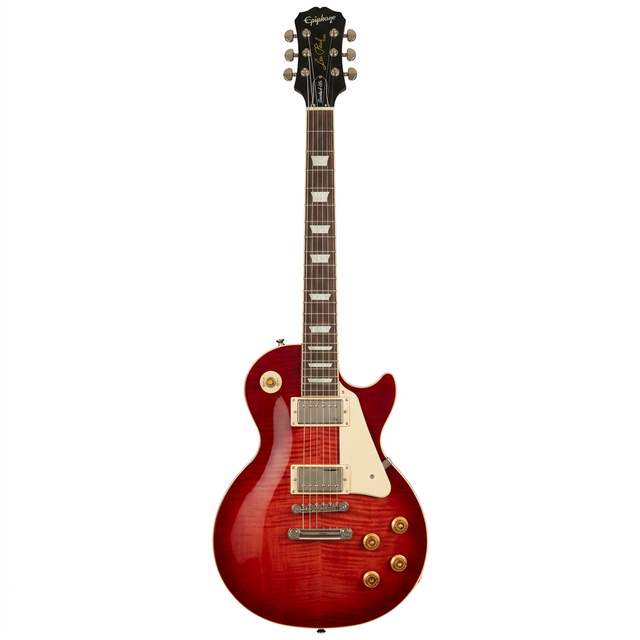
The Epiphone Les Paul Classic Worn pairs Alnico Classic PRO humbuckers with push/pull coil-splitting to deliver both thick rock tones and surprisingly authentic single-coil clarity. The “worn” satin finish gives it a played-in feel while keeping the price well below Gibson territory.
Highlights:
- Alnico Classic PRO humbuckers with push/pull coil-splitting
- Mahogany body with maple cap, classic Les Paul construction
- Slim taper neck profile for fast playing
- “Worn” vintage satin finish, no sticky lacquer
- Locking Grover tuners included
Who it’s for: Players who want authentic Les Paul character with modern versatility. Especially great if you play multiple genres and can’t afford two separate guitars.
Potential downside: Coil-split humbuckers can suffer a 25-35% volume drop compared to dedicated single-coils, and the thinned-out tone won’t fully replicate a Stratocaster’s glassiness.
Best Premium Classic: Gibson Les Paul Standard 60s ($2,799)
The Gibson Les Paul Standard 60s is the definitive rock guitar, hand-wired BurstBucker 61R and 61T humbuckers, a solid mahogany body with an AA figured maple top, and the slim taper 60s neck profile that serious players prefer for speed and comfort.
Highlights:
- BurstBucker 61R and 61T humbuckers, hand-wired
- AA figured maple top with mahogany body
- Slim taper 60s neck profile, faster than the chunkier 50s carve
- Hand-wired electronics with orange drop capacitors
- ABR-1 Tune-O-Matic bridge with vintage aesthetics
Who it’s for: Classic rock and blues purists who want legendary, thick, naturally compressed tone with massive sustain. Players who value heritage craftsmanship and iconic aesthetic.
Potential downside: At $2,799, it’s a serious investment. Weight can cause shoulder fatigue during long sets (typically 9+ lbs). Quality control has historically been less consistent than competitors at this price, though recent years have improved.
Best Boutique Feel Under $1K: PRS SE Silver Sky (~$900)
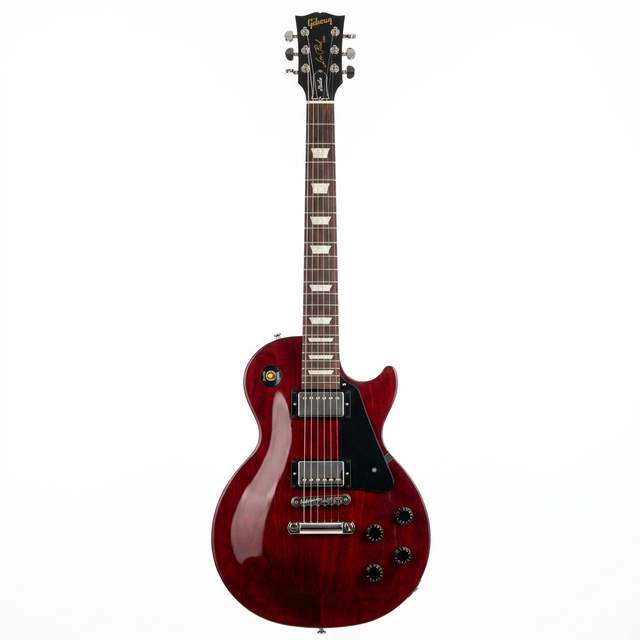
The PRS SE Silver Sky puts John Mayer’s signature tone within reach at a fraction of the American-made model’s price. The 635JM “S” single-coil pickups deliver warm mids and glassy highs that compare favorably to Strat-style guitars costing twice as much.
Highlights:
- 635JM “S” single-coil pickups designed with John Mayer
- 8.5” fingerboard radius, vintage-inspired feel
- Unique vintage-inspired neck carve
- Premium PRS hardware with excellent tuning stability
- Multiple color options with striking PRS finish quality
Who it’s for: Boutique tone chasers who want top-tier craftsmanship near the $1,000 sweet spot. Blues, R&B, and neo-soul players who value warm, vocal single-coil tones.
Budget Picks: Best Electric Guitars Under $300
You don’t need to spend a fortune to start playing in 2026. Here are three proven budget picks:
Squier Sonic Mustang, $149 (Best for Beginners)
The short 24” scale length and lightweight poplar body make this the most comfortable first guitar for new players and younger hands. Dual ceramic humbuckers handle overdriven and distorted tones particularly well.
Sterling by Music Man Cutlass, $249 (Best Value Under $300)
An HSS configuration (humbucker + two single-coils) gives you genuine tonal range rarely found at this price. The build quality, including a stable 5-bolt neck joint and smooth “C” profile maple neck, plays far above its $249 tag.
Ibanez GRGM21M miKro, $189 (Best for Kids/Travel)
The tiny 22.2” scale is purpose-built for children learning to play. Adults will find it a surprisingly fun travel guitar. Dual Infinity humbuckers are well-suited for rock, punk, and metal.
Our experience: We’ve seen too many beginners buy a $600 guitar and quit within three months. If you’re not sure you’ll stick with it, start with the $149 Squier Sonic Mustang. It plays well enough to learn proper technique, and if you catch the bug, that $450 you saved goes toward a great upgrade later.
How to Choose the Right Electric Guitar
Not sure which guitar fits you? Use our decision framework:
| If You Need… | Get This | Price | Why |
|---|---|---|---|
| Best value overall | PRS SE CE 24 Standard Satin | $449 | Coil-split humbuckers cover every genre |
| Classic Fender tone | Fender Player II Stratocaster | $700 | Authentic sparkle, gig-ready reliability |
| Absolute best quality | ESP E-II | $1,500+ | Highest measured build quality (78.5/100) |
| First guitar ever | Squier Sonic Mustang | $149 | Comfortable, affordable, zero-stress start |
| Thick rock tone | Gibson Les Paul Standard 60s | $2,799 | The definitive classic rock instrument |
| Metal and shredding | ESP LTD EC-Black Metal | $1,000 | Active Seymour Duncan pickups, tight low-end |
| Boutique on a budget | PRS SE Silver Sky | $900 | John Mayer signature tone under $1K |
| Vintage twang | Squier Classic Vibe ’50s Tele | $369 | Iconic Fender snap without the premium price |
| Under $300 | Sterling by Music Man Cutlass | $249 | HSS versatility at a beginner price |
What About Pickup Types?
Your pickup choice shapes your sound more than almost any other spec. Here’s what you need to know in 2026:
Single-coils (Stratocasters, Telecasters) deliver bright, articulate, and clear tones ideal for blues, indie, funk, and pop. They’re the classic Fender sound. The trade-off is the characteristic 60-cycle hum, though noiseless designs like Fender’s Ultra II series have essentially solved this.
Humbuckers (Les Pauls, PRS, ESP) produce warmer, thicker output with zero hum. They handle distortion and high-gain situations beautifully, making them the go-to for rock, metal, and jazz.
Coil-splitting is the 2026 trend to watch. Models like the PRS SE CE 24 and Epiphone Les Paul Classic Worn let you split humbuckers into single-coil mode via push/pull pots. It’s not identical to a true single-coil, expect 25-35% volume drop and a slightly thinner character, but it’s close enough for many players to carry one guitar instead of two.
Keep Reading
- Best Guitar Amps for Home and Stage, pair your new guitar with the right amp
- Best Acoustic Guitars for Beginners, prefer acoustic? Start here
- Fender vs Gibson: Which Is Right for You?, the ultimate brand comparison
- Guitar Pedals Explained, build your first pedalboard
The Bottom Line
The electric guitar market in 2026 is the most competitive it’s ever been, and that’s great news for players. A $449 PRS SE CE 24 delivers versatility that would’ve cost $1,000+ five years ago. A $700 Fender Player II is closer to the American-made models than ever. And at the professional tier, ESP’s E-II series offers objectively measured build quality that even legacy brands can’t match.
Don’t overthink it. Pick a guitar that fits your budget, feels good in your hands, and inspires you to play. Every model on this list earns its spot.
Our top pick for most players: the PRS SE CE 24 Standard Satin, coil-splitting humbuckers, a fast neck, and $449 is the best bang-for-buck in the entire electric guitar market right now.
See also: Active vs Passive Pickups, Budget Guitar Pedals Under $50

Music Gear Specialist Review Desk
Research-based reviewsResearch-based reviews · Manufacturer specs · Verified owner feedback
We review guitars, amps, pedals, and recording gear the honest way: spec sheets, published measurements, and the collected experience of working musicians and verified owners.