Fender vs Gibson: Which Guitar Brand Is Right for You?
Fender and Gibson have defined guitar tone for 70+ years. We compare pickups, neck feel, tone, and price so you can pick the right one for your style.
Music Gear Specialist Review Desk
Gear Research & Analysis
ℹ️ Affiliate Disclosure: Music Gear Specialist earns from qualifying purchases through Amazon and other partner links. This doesn't affect our recommendations—we only suggest gear we'd use ourselves.
It’s the Coca-Cola vs. Pepsi of the music world. Fender and Gibson have defined the sound of electric guitar for over 70 years, and the debate over which brand is “better” has been raging since the Stratocaster first rolled off Leo Fender’s production line in 1954.
Here’s the truth: neither brand is objectively better. They’re designed with fundamentally different philosophies, and understanding those philosophies is the key to choosing the right guitar for your playing style.
TL;DR: Choose Fender if you want bright, versatile tones, a lighter guitar, and easier maintenance. Choose Gibson if you want warm, thick sustain, easier string bending, and a more traditional feel. Many serious players own one of each.
The Core Difference: Design Philosophy
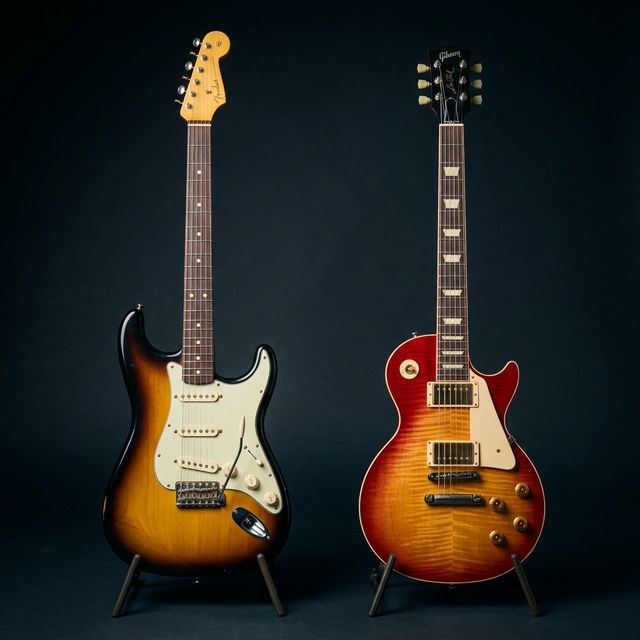
Fender and Gibson approached guitar building from opposite directions, and those decisions from the 1950s still define both brands today:
| Feature | Fender | Gibson |
|---|---|---|
| Neck joint | Bolt-on (screwed) | Set-neck (glued) |
| Scale length | 25.5” (longer) | 24.75” (shorter) |
| Body weight | 7-8 lbs (lighter) | 9-12 lbs (heavier) |
| Pickups | Single-coil (standard) | Humbucker (standard) |
| Body shape | Double-cutaway, contoured | Single-cutaway, flat top |
| Tone character | Bright, clear, “chimey” | Warm, thick, sustained |
| Best genres | Funk, country, indie, pop, blues | Rock, metal, jazz, blues leads |
Fender: Clarity and Utility
Leo Fender wasn’t a guitar player, he was a radio repairman who approached guitar design like an engineer. His instruments were meant to be practical tools: easy to manufacture, easy to repair, and designed to cut through a mix.
The Stratocaster Sound
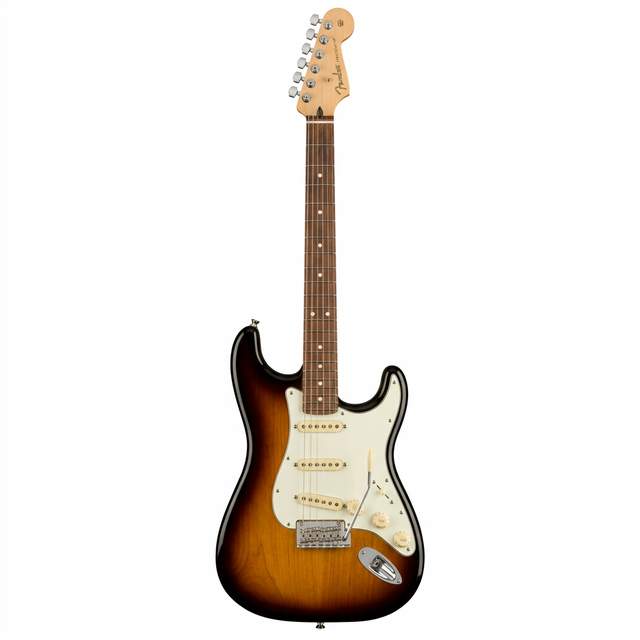
The Strat’s three single-coil pickups produce the bright, clear, “glass-like” tone that became the soundtrack of modern music. The five-way selector switch gives you five distinct tones, including the famous “quack” of positions 2 and 4 (neck+middle and middle+bridge combinations) that funk and R&B players can’t live without.
What you hear: Think Jimi Hendrix’s clean arpeggios, John Mayer’s buttery blues leads, or the Edge’s shimmering ambient textures. The Strat does “sparkle” like nothing else.
Why Players Choose Fender
- Lighter weight: 7-8 lbs means your shoulder survives a 3-hour gig
- Contoured body: Fits against your torso naturally, Gibson’s flat-slab design digs into your ribs
- Bolt-on neck: If the neck warps or breaks, you replace it for $200 instead of needing a $500 reset
- Tremolo bridge: Vibrato effects from the whammy bar add expression you can’t get on a Les Paul
- Lower entry price: Fender Player series starts around $850; Gibson equivalents start at $1,200+
Our experience: After 15+ years of playing both brands, we reach for a Stratocaster when the gig calls for versatility. Three pickups, five positions, a tremolo bar, you can cover pop, funk, blues, and rock in one set without switching guitars. The Fender does “pretty good” at everything.
Gibson: Warmth and Craft
Gibson’s approach was the opposite, rooted in the traditions of acoustic instrument making. Orville Gibson was a luthier who built mandolins. The Les Paul was designed for sustain, power, and warmth, qualities that come from heavier wood, glued-in necks, and humbucking pickups.
The Les Paul Sound
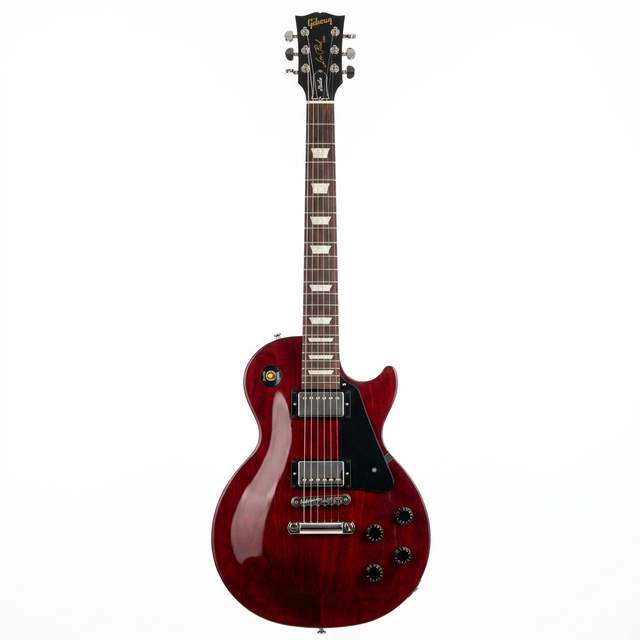
Twin humbuckers through a mahogany body produce thick, warm, “creamy” sustain that defined rock and roll. The shorter 24.75” scale length reduces string tension, making bends silky-smooth and vibrato effortless. When you push a Les Paul into overdrive, the mids thicken into what players call the “woman tone”, a vocal, singing quality that single-coils can’t replicate.
What you hear: Think Slash’s “Sweet Child O’ Mine” riff, Jimmy Page’s “Whole Lotta Love” crunch, or Gary Moore’s emotional blues vibrato. The Les Paul does “power and emotion” like nothing else.
Why Players Choose Gibson
- Sustain for days: Set-neck construction transfers vibrations directly into the body
- Easier bending: Shorter scale = lower string tension = silky bends
- Humbucker power: No 60-cycle hum, massive output, creamy overdrive
- Thick midrange: Cuts through a loud band mix with authority
- Iconic aesthetics: The Les Paul’s carved maple top is arguably the most beautiful guitar shape ever designed
Our take: A cranked Gibson through a tube amp is a physical experience. You feel the notes in your chest. The sustain lets you hold a note and manipulate it with vibrato in a way that Fender’s brighter, quicker attack doesn’t encourage. Gibson makes you play slower, more deliberately, which often makes you play better.
Head-to-Head: Strat vs Les Paul
| Factor | Stratocaster | Les Paul | Winner |
|---|---|---|---|
| Tonal versatility | 5 pickup positions, tremolo | 2 humbuckers, 3 positions | Strat |
| Sustain | Good | Exceptional | Les Paul |
| String bending | More tension (harder) | Less tension (easier) | Les Paul |
| Weight/comfort | 7-8 lbs, contoured | 9-12 lbs, flat | Strat |
| Maintenance | Bolt-on (easy) | Set-neck (complex) | Strat |
| Blues leads | Bright, stinging | Warm, singing | Tie |
| High-gain rock/metal | Needs HSS config | Built for it | Les Paul |
| Clean tones | Bell-like, sparkling | Warm, jazzy | Strat for clarity; LP for warmth |
| Resale value | Excellent | Excellent | Tie |
Budget Alternatives
You don’t need to spend $1,500+ to get the essential Fender or Gibson experience:
| Budget Tier | Fender Family | Gibson Family |
|---|---|---|
| Under $250 | Squier Affinity Strat ($230) | Epiphone Les Paul Standard ($230) |
| $400-$600 | Squier Classic Vibe ($430) | Epiphone Les Paul Classic ($500) |
| $800-$1,200 | Fender Player Strat ($850) | Gibson Les Paul Studio ($1,200) |
| $1,500+ | Fender American Pro II ($1,700) | Gibson Les Paul Standard ($2,500) |
The Bottom Line: Which Should You Buy?
Choose Fender if you play funk, country, indie, pop, or classic rock and value a lightweight, versatile guitar with easy repair. The Stratocaster’s tonal flexibility makes it the safer choice if you play multiple genres.
Choose Gibson if you play hard rock, metal, blues lead, or jazz and want thick, powerful sustain with effortless string bending. The Les Paul’s raw power and emotional expressiveness are unmatched.
The honest answer: Most serious players eventually own one of each. They complement each other perfectly, the Strat covers what the Les Paul can’t, and vice versa. If you can only buy one, pick the brand whose sound matches the music you listen to most.
Keep Reading
- Best Electric Guitars for Every Budget, our top picks across all price tiers
- Best Guitar Amps for Home and Stage, pair your guitar with the right amp
- Best Acoustic Guitars for Beginners, prefer acoustic? Start here
- Guitar Pedals Explained, build your first pedalboard

Music Gear Specialist Review Desk
Research-based reviewsResearch-based reviews · Manufacturer specs · Verified owner feedback
We review guitars, amps, pedals, and recording gear the honest way: spec sheets, published measurements, and the collected experience of working musicians and verified owners.